
Trust is specific
Procurement teams do not trust vague claims. They trust specific information that helps them reduce supplier risk: certifications, inspection approach, material experience, facility capability and clear response process.
The website should answer the buyer's risk questions before asking for the RFQ.
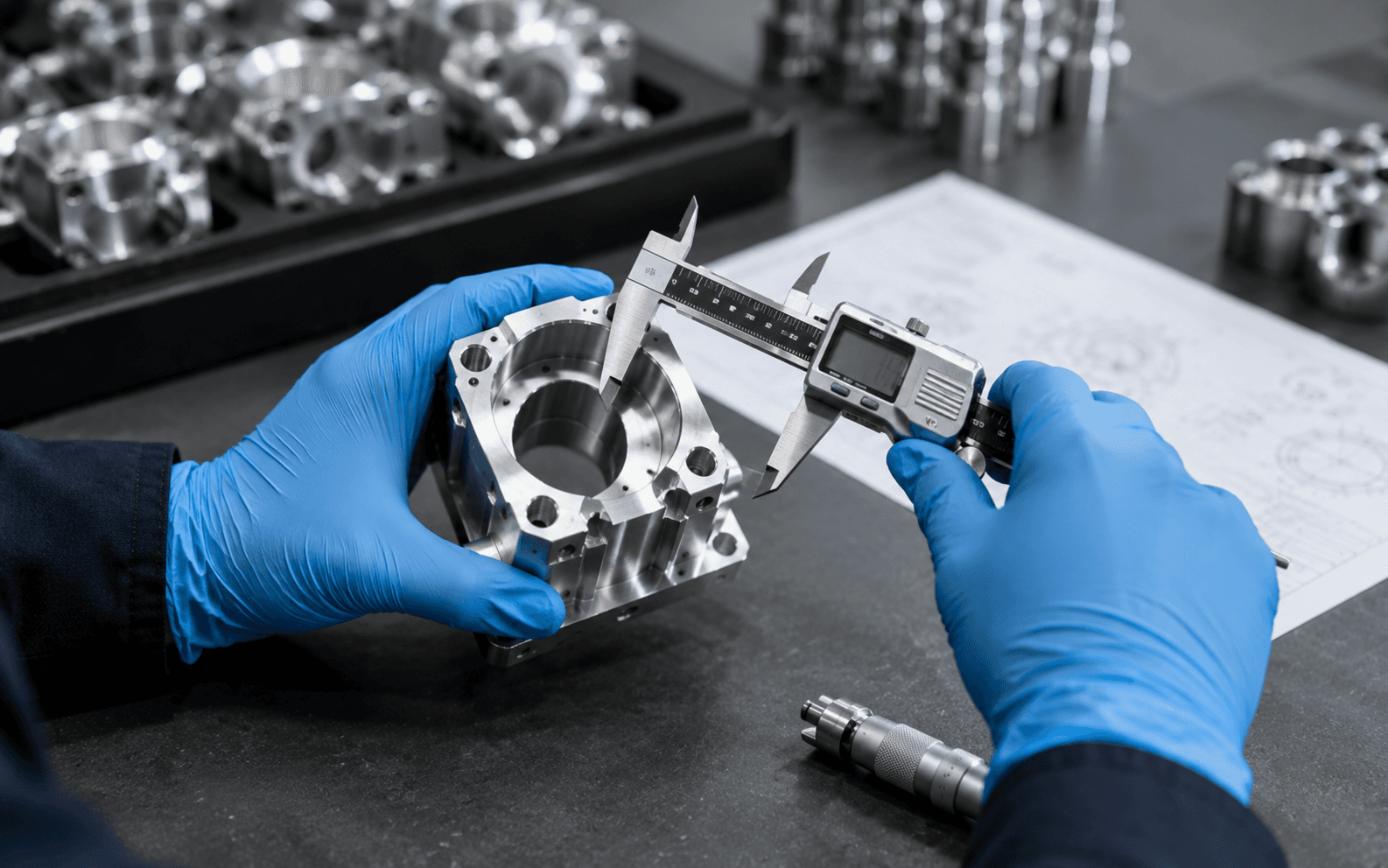
Show certifications and inspection process
If you hold ISO certification or sector-specific approvals, show them clearly and accurately. Explain inspection equipment and quality checks in plain language.
Do not invent proof. If a claim needs technical approval, get it approved before publishing.
Explain production fit
Buyers need to know whether you are best suited to prototypes, repeat batches, urgent spares, complex five-axis work or production machining. Clear fit helps avoid poor enquiries.
Being specific can improve conversion because the right buyers recognise themselves faster.
Make response expectations visible
Trust also comes from knowing what happens next. Explain how RFQs are reviewed, what details may be needed and when a buyer can expect a response.
That makes the website feel operational, not just promotional.
Practical checklist
- Show real certifications.
- Explain inspection process.
- Clarify production fit.
- Use facility and process detail.
- Set RFQ response expectations.
Common mistakes
- Using generic 'quality guaranteed' language.
- Showing proof without context.
- Hiding technical review steps.
- Making unsupported claims about results.
Takeaway
A trustworthy CNC website gives procurement teams enough evidence to take the next step with confidence.
Audit your trust signals
NeuraRank can review whether your website gives buyers the evidence they need before submitting an RFQ.